
On May 11, 2026, Indonesia urgently suspended a nickel ore policy that had been in force for less than one month. The rule change had tightened mining quotas and raised tax reference levels for low-grade nickel ore and associated cobalt, iron, and chromium, quickly increasing costs for Chinese-funded smelters and contributing to spreading production cuts. For battery precursor suppliers, alloy feedstock buyers, procurement teams, and delivery planners, this matters not simply as a news event, but as a signal that upstream regulatory shifts in a key resource market can immediately affect supply continuity across EV materials and nickel-based high-temperature alloy chains.
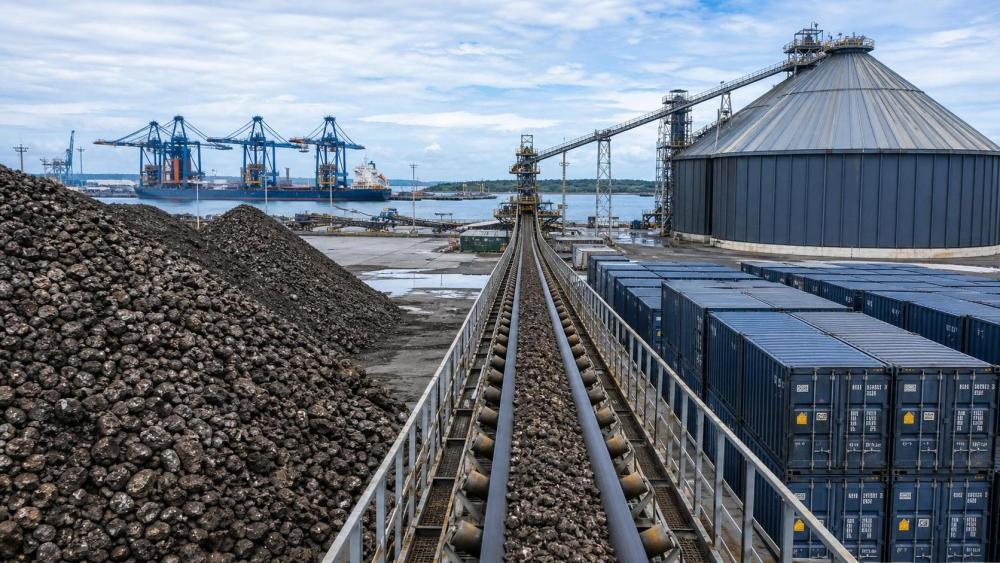
What Changed in the Indonesian Nickel Ore Framework
The confirmed development is that Indonesia halted, on May 11, 2026, an emergency nickel ore policy that had been implemented for less than a month. According to the provided summary, that policy had sharply reduced mining quotas and increased the tax basis applied to low-grade nickel ore as well as associated cobalt, iron, and chromium. The same summary states that these changes drove up costs for Chinese-funded smelting enterprises and led to spreading production cutbacks.
The confirmed near-term effect described in the input is that the suspension directly eased the risk of short-term supply disruption for global new energy vehicle battery cathode materials, including NCM and NCA precursors, and for raw materials used in nickel-based high-temperature alloys.
Where the Immediate Pressure on the Supply Chain May Shift
Upstream purchasing and raw material contracting
From an industry perspective, mining quota cuts and higher tax reference levels matter first at the raw material contracting stage. Smelters and material processors linked to Indonesian nickel ore supply may see the most direct impact in purchase planning, cost assumptions, shipment scheduling, and supplier negotiations. What deserves closer attention is whether procurement documents, price clauses, and delivery commitments still reflect assumptions formed during the brief period when the tighter rule was in force.
Battery material processing and precursor delivery
For companies involved in NCM and NCA precursor production, the suspension is relevant because the input explicitly links it to lower short-term disruption risk. Analysis shows that the operational focus is less about a fully resolved supply issue and more about whether feedstock availability, production rhythm, and committed delivery windows can stabilize after the emergency halt. Processing companies and their customers should therefore pay close attention to revised supply confirmations, shipment sequencing, and any contract language tied to upstream regulatory changes.
Industrial buyers relying on nickel-derived inputs
Battery plants in Europe and the United States, EV motor magnetic material suppliers, and aircraft engine supply chain participants are identified in the input as materially exposed to Indonesian nickel resource stability. For these buyers, the effect is likely to appear in sourcing confidence, inventory planning, and supplier communication rather than only in spot purchasing. What deserves closer attention is whether tender documents, technical supply schedules, and qualification records need updates if suppliers had previously warned of reduced output or extended lead times.
Trade and supply-chain service functions
For logistics coordinators, trade compliance teams, and contract management functions, a short-lived but high-impact resource rule can create documentation and execution mismatches. Observably, the key issue is not the existence of a new certification rule in the provided information, but the possibility that shipping plans, customs descriptions, tax-related assumptions, and delivery notices were prepared under a policy stance that has now been halted. These teams should monitor whether commercial paperwork and execution terms remain aligned with the latest regulatory position.
What Companies Should Watch Next
Review contract assumptions shaped by the brief rule window
Analysis shows that companies with exposure to Indonesian nickel should revisit procurement and supply contracts that were adjusted during the short period when tighter mining quotas and higher tax reference levels applied. The practical issue is whether pricing logic, force majeure discussions, or delivery buffers were introduced in response to a rule position that has now been suspended.
Track official wording and execution signals
The input confirms the emergency halt, but it does not provide detailed implementation language. It is more appropriate to understand this as a regulatory development that still requires close reading of any follow-up official wording, administrative interpretation, or execution guidance that could affect how market participants resume supply arrangements.
Check delivery commitments for affected material categories
Companies handling battery precursor materials and nickel-based high-temperature alloy feedstocks should verify whether internal planning documents, production schedules, and customer delivery commitments were changed during the earlier disruption risk period. Observably, the key concern is not only current supply availability, but also whether previous scheduling adjustments continue to shape downstream execution.
Keep compliance and qualification files consistent
Where supplier qualification, bid documentation, technical files, or customer audit records refer to output constraints or sourcing disruption, those references may need review. Analysis shows that consistency across procurement records, quality traceability files, and customer-facing delivery statements is important when upstream policy changes have already triggered operational responses.
Why This Looks More Like a Stabilization Signal Than a Final Resolution
Analysis shows that this development is best read as a near-term stabilization signal for a resource-dependent supply chain rather than a complete policy endpoint. The confirmed fact is the emergency suspension of a recently implemented nickel ore policy; the broader meaning still depends on whether subsequent rule language, market behavior, and supplier execution remain consistent. From an industry perspective, continued attention should focus on how companies interpret the halt in tenders, procurement revisions, qualification reviews, and customer delivery communication.
How the Market May Best Read This Stage
The current event is significant because it shows how quickly upstream mining and tax rule adjustments can transmit into battery material and industrial alloy supply chains. At the same time, it should not be overstated. It is more appropriate to understand this development as an immediate easing of short-term supply disruption risk, while the durability of that relief still requires observation through follow-up policy signals, business execution, and market feedback.
Basis of This Article and What Still Needs Verification
This article is generated from the user-provided news title, event date, and event summary. For events of this type, source categories typically relevant to later verification may include official announcements, regulatory releases, customs or trade administration information, industry association updates, standard-setting documents, and reporting by authoritative media. No specific official source link was provided in the input, so the exact official documentation still requires ongoing verification. What remains worth monitoring includes follow-up policy details, implementation language, procurement and tender document changes, supplier execution, and industry feedback.
Related News
- Rare Earth Material Sourcing Strategy: Key Criteria for Reducing Supply Chain RiskSep 07, 2026Rare earth material sourcing strategy: reduce supply chain risk with proven criteria for supplier evaluation, quality control, traceability, contracts, and resilient supply.
- How Can You Compare Advanced Alloy Prices Across Regions?Sep 09, 2026How to compare commodity prices for advanced alloys across different regions? Learn to assess landed cost, quality, yield, certification, and supply risk.
- When does commodity exposure management become essential for a growing manufacturer?Sep 04, 2026Commodity exposure management helps growing manufacturers protect margins, stabilize supply, and control risk amid volatile material costs. Learn when to act.
- Which price inputs should be tracked in metals price risk management?Sep 04, 2026Metals price risk management: track benchmarks, premiums, conversion, energy, freight, FX, and supply risks to protect landed costs and strengthen sourcing decisions.