
For teams comparing lightweight metals for roofing, HVAC parts, appliance shells, signage, transport panels, and general fabrication, Aluminum Coil is not just a commodity line item. It is a flexible input that affects forming speed, surface acceptance, warehouse handling, and the stability of repeat orders. A buyer who understands the basic selection logic can write clearer inquiries, compare suppliers more fairly, and reduce avoidable material disputes.
This article is written for buyers who need practical guidance before creating an inquiry, comparing suppliers, or approving a purchase order. It avoids fabricated prices, invented project numbers, and unsupported performance claims. The focus is on selection logic, documentation, inspection, and application fit that can be reviewed by procurement, engineering, quality, and operations teams.
Start With the Material Role, Not Only the Product Name
A coil purchase looks simple when the inquiry contains only alloy, thickness, width, and quantity. In real fabrication, however, the material role decides whether the order is easy to process or expensive to correct. Buyers should identify whether the coil will be cut into panels, roll formed into profiles, stamped into covers, laminated, painted, anodized, or used as a base for further surface treatment. Each route changes the acceptable range for flatness, edge condition, surface cleanliness, temper, and packaging.
The first conversation should therefore connect the material with the downstream process. A distributor serving signage clients may care about coating readiness and surface appearance. A roofing or cladding buyer may focus on width tolerance, corrosion exposure, and bending behavior. An HVAC component producer may pay closer attention to forming consistency and coil-to-coil repeatability. A basic knowledge article should make this clear because the same product label can hide very different buyer expectations.
A useful specification begins with a plain statement of use. The buyer can write the target part, forming method, visible surface requirement, storage period, packing method, and receiving inspection plan. This gives the supplier a stronger basis for confirming a suitable coil and prevents a quote from becoming a purely price-based comparison.
Understand Alloy, Temper, and Processing Behavior
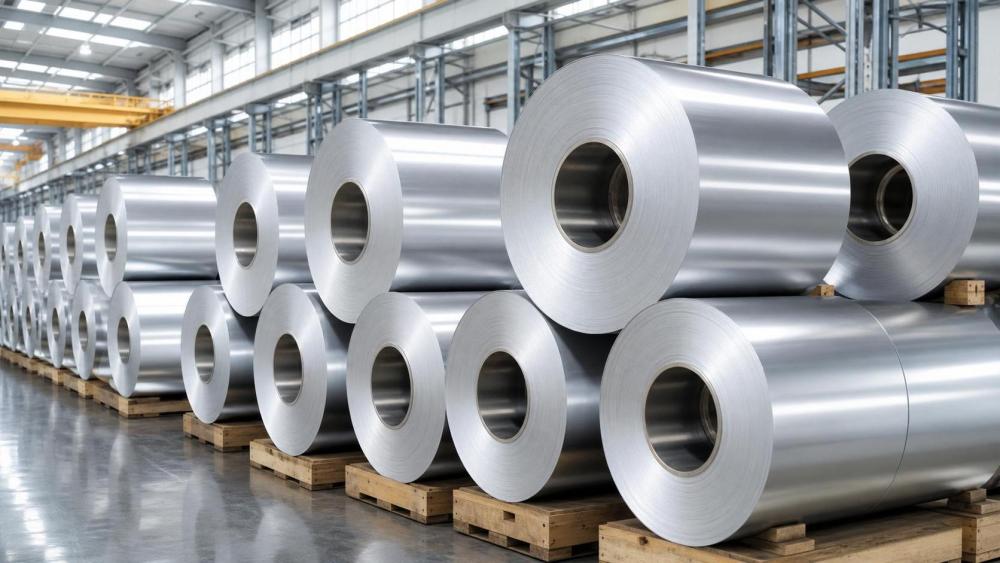
Alloy and temper are the language that turns a general material request into a workable manufacturing input. Commercial buyers do not need to become metallurgists, but they should understand that formability, strength, surface response, and dimensional stability are tied to these fields. A soft temper may form more easily, while a harder temper may suit parts requiring stiffness. The correct choice depends on the bending radius, tooling condition, end-use environment, and visual standards.
When buyers compare quotations, they should check whether each supplier has interpreted the same alloy and temper requirement. Similar-looking grades can behave differently in bending, deep drawing, or surface finishing. If the coil will be painted or laminated after arrival, surface cleanliness and oil condition also deserve attention. If the coil will be cut into narrow strips, burr control and edge condition should be included in the discussion.
The safer approach is to request a specification sheet that names alloy, temper, thickness range, width range, surface state, inner diameter, outer diameter, and packaging method. These fields help purchasing teams compare options without relying on vague claims such as premium quality or best price.
Match Surface Finish With the Final Application
Surface finish has a direct effect on product acceptance. A coil used for hidden structural parts may tolerate minor surface variation that would be unacceptable for visible panels, appliance skins, signs, or decorative trim. Buyers should define whether one side or both sides are visible, whether the surface will be coated later, and whether protective film is required. If color coating or anodizing is planned, the buyer should also discuss surface pretreatment expectations.
A clear surface requirement reduces disputes at delivery. It is not enough to say that the material should be clean. The order should state whether scratches, stains, water marks, roll marks, or edge deformation will trigger rejection. When possible, the buyer should provide sample photos or a simple acceptance scale. This gives the supplier a practical reference and helps the receiving team inspect consistently.
For international orders, packaging and moisture control become part of surface management. Long transit, container humidity, and rough handling can damage otherwise acceptable material. Export packing should be discussed together with surface finish, not treated as a separate logistics detail.
Use a Simple Decision Table Before Quotation
A structured table helps a buyer avoid missing small fields that later become costly. The table below can be adapted for inquiries, internal approvals, and supplier comparison. It is especially useful when different departments share responsibility for material selection, purchasing, warehousing, and production.
Control Packaging, Storage, and Receiving Inspection
Many coil problems are not caused by the wrong base material but by handling after production. Moisture, impact, poor stacking, unstable pallets, and unclear labels can create confusion before the material reaches the line. Buyers should specify eye-to-sky or eye-to-wall packing when relevant, inner diameter, coil weight preference, pallet or skid protection, moisture barrier, and label fields. These choices should match warehouse equipment and downstream processing.
Receiving inspection should be practical. Teams can check label data, coil condition, packaging damage, outer wrap, edge deformation, surface condition, thickness, width, and sample flatness. If the buyer requires mill test certificates or quality documents, those documents should be requested before shipment and checked again after arrival. A simple receiving checklist helps prevent production teams from discovering issues only after the coil has been partly processed.
Storage discipline also matters. Coils should be kept dry, separated from aggressive chemicals, protected from direct floor moisture, and moved with suitable lifting equipment. If material will remain in storage for a long period, the buyer should review packaging life and inspection frequency with the supplier.
Avoid Common Buyer Misunderstandings
One common misunderstanding is that coil thickness alone determines performance. In reality, alloy, temper, surface state, width tolerance, and processing route all matter. Another misunderstanding is that a lower price always creates savings. If the material requires extra sorting, produces more scrap, or slows production, the initial saving can disappear quickly. Buyers should compare total procurement reliability, not only unit price.
A third misunderstanding is that a product page answers every technical question. A product page is a useful starting point, but a final order should still confirm project-specific details. For example, a buyer may need a specific coil weight range to fit decoiling equipment. Another buyer may require protective film because the material will be used for visible panels. These points should be confirmed in writing before the purchase order is issued.
Good sourcing teams make the order repeatable. They save the specification, supplier response, document list, packaging photos, inspection notes, and any corrective feedback. This record makes the next order faster and reduces the risk of specification drift.
Build a Repeatable Sourcing Workflow
A repeatable sourcing workflow begins with application definition, then moves to technical fields, supplier confirmation, sample or trial order where appropriate, shipment documentation, and receiving inspection. Buyers should give each step an owner. Engineering can define use conditions, purchasing can compare suppliers, quality teams can confirm inspection criteria, and warehousing can approve packing and handling requirements.
For recurring orders, teams should maintain a controlled specification sheet instead of rewriting inquiries each time. Changes should be visible, dated, and approved. This is especially important when the same product is purchased for different applications, because small wording changes can alter the expected material. A controlled workflow gives suppliers less room to guess and gives internal teams a cleaner basis for reviewing performance.
Procurement Checklist
- State the end-use part and processing route before asking for price.
- Confirm alloy, temper, thickness, width, coil ID, and coil weight range.
- Define visible surface expectations and protective film needs.
- Request document samples before shipment when certificates are required.
- Check packaging, labels, edge condition, and surface condition at arrival.
FAQ
Is aluminum coil only selected by thickness?
No. Thickness matters, but alloy, temper, surface finish, width tolerance, packaging, and forming route also influence whether the material fits the application.
When should buyers request samples?
Samples or trial coils are useful when the part has strict surface, bending, coating, or repeatability requirements. They help confirm processing fit before a larger order.
Why is packaging part of material quality?
Coil surfaces and edges can be damaged during long transit or storage. Suitable packing, moisture control, and clear labels protect the value of the material.
Related News
- Choosing Aluminum Forming Methods for Thin Sheet, Extrusions, and Complex PartsSep 12, 2026Metal forming for aluminum: compare thin-sheet forming, extrusion, casting, and forging to choose the right route for complex parts, performance, cost, and scalable production.
- Orange Peel Embossed Aluminum Sheet Basics for Practical BuyersSep 12, 2026A basic buyer guide to orange peel embossed aluminum sheet, covering surface pattern, alloy choice, thickness, processing, packing, and supplier checks.
- What Drives Automotive Aluminum Price: Alloy Grade, LME Trends, and EV DemandAug 22, 2026Automotive aluminum price depends on alloy grade, LME trends, scrap, energy, and EV demand. Discover what really drives quotes and make smarter sourcing decisions.
- Surface Modification Methods for Improving Wear, Adhesion, and Corrosion ResistanceAug 16, 2026Surface modification methods improve wear, adhesion, and corrosion resistance by matching treatment to alloy, geometry, and service conditions. Learn how to choose the right process and avoid costly failures.