
On 2026-06-15, the market signal worth watching is not only the rise in aluminum prices, but also the trade and delivery pressure now visible in high-end aluminum materials. In June 2026, the LME three-month aluminum price reached an intraday high of USD 3,787.5 per ton, while China’s April exports of unwrought aluminum and aluminum products climbed to 598,000 tons, up 15.4% year on year. For importers, processors, and procurement teams tied to lightweight automotive parts and industrial structural components, this development matters because it points to tighter pricing discipline, longer lead-time risk, and closer scrutiny of supply commitments for Giga-casting alloys and large-section extrusions.
What the Current Market Signal Confirms
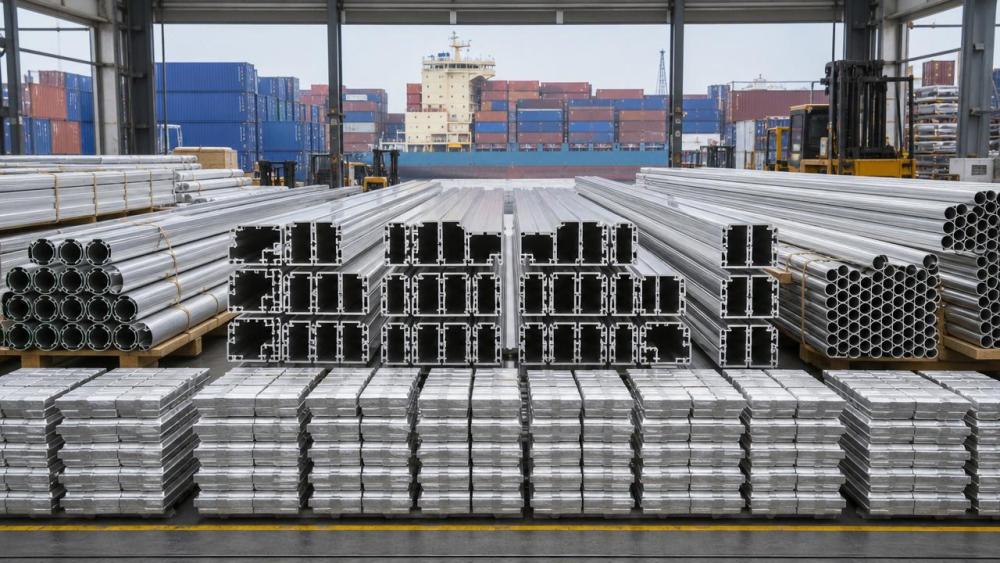
Confirmed information shows that in June 2026, the LME three-month aluminum contract touched USD 3,787.5 per ton during intraday trading, marking the highest level in nearly four years. During the same period, China’s April exports of unwrought aluminum and aluminum products reached 598,000 tons, representing a 15.4% year-on-year increase. The event summary also confirms that strong overseas demand, together with geopolitical disruption in the Middle East, is pushing up international quotations and delivery pressure for high-end aluminum materials such as Giga-casting alloys and large-section extrusions. The stated supply-chain warning applies particularly to importers that rely on stable delivery from China for automotive lightweighting and industrial structural parts.
Where Trade and Delivery Pressure Is Likely to Surface First
Import procurement is exposed to quotation and lead-time risk
From an industry perspective, buyers that depend on regular Chinese shipments may be affected first because the confirmed facts point to simultaneous price strength and export growth. The business impact is likely to appear in quotation validity, contract timing, shipment scheduling, and delivery commitments for high-end aluminum materials. What deserves closer attention is whether procurement files, technical specifications, and contract terms remain aligned with revised commercial offers and delivery windows.
Processors and manufacturers may face tighter input planning
For manufacturers using Giga-casting alloys or large-section extrusions, the pressure may appear in production planning and order sequencing rather than only in raw material cost. Analysis shows that when international quotations rise together with delivery stress, processors need to watch whether existing supplier commitments, material specifications, and acceptance documents still support planned production cycles. This is especially relevant where downstream products depend on stable dimensional, metallurgical, or application-specific consistency.
Supply-chain service providers need stronger document coordination
Logistics, sourcing, and supply-chain coordination teams may be affected because the warning is tied to stable cross-border delivery rather than price alone. Observably, the practical pressure point is document readiness and shipment execution: purchase orders, specification sheets, delivery schedules, inspection records, and traceability files may all require closer synchronization if suppliers revise timing or commercial terms.
What Companies Should Review Now
Check specification alignment before reconfirming orders
Analysis shows that companies should review whether technical bid alignment, material grade descriptions, and delivery conditions in current orders still match supplier quotations for Giga-casting alloys and large-section extrusions. The input does not confirm any formal rule change, so this should be treated as a practical compliance and execution check rather than a concluded regulatory outcome.
Track lead-time language in contracts and order documents
What deserves closer attention is how delivery timing is described in contracts, confirmations, and procurement schedules. Where supply stability from China is critical, companies may need to recheck whether lead-time clauses, shipment milestones, and replacement arrangements remain workable under current market pressure.
Keep certification and quality files ready for tighter execution review
For businesses that must support product qualification, customer acceptance, or downstream tendering, it is prudent to ensure that inspection reports, test records, material certificates, and traceability documents are current and internally consistent. Observably, if supply tightness increases, document quality often becomes more important in managing substitutions, split shipments, or revised delivery sequencing.
Watch for changes in procurement language and customer requirements
It is more appropriate to understand this event as a signal to monitor execution language in procurement documents and customer-facing technical requirements. The input does not provide confirmed updates to standards, certification rules, or official trade measures, so companies should focus on whether market pressure begins to show up through revised bid terms, supply conditions, or acceptance requirements.
Why This Looks More Like an Execution Signal Than a Final Rule Outcome
Analysis shows that this development should not be read as a confirmed new regulation on its own. Instead, it functions more as an execution-level warning: high aluminum prices, stronger export flow, and delivery strain in high-end product categories can influence how trade terms, procurement discipline, and supply commitments are enforced in practice. From an industry perspective, the key issue is whether market participants begin translating this pressure into stricter delivery conditions, narrower quotation windows, or more conservative acceptance language. That part still requires observation.
How the Market Is Best Read at This Stage
The current event is best understood as a supply-chain and trade execution alert centered on high-end aluminum materials. Confirmed facts already show a combination of elevated LME pricing, stronger Chinese aluminum exports, and rising pressure on quotations and lead times for Giga-casting alloys and large-section extrusions. A neutral reading is that companies exposed to these materials should not assume unchanged supply conditions, but it would be premature to describe the situation as a settled regulatory shift without further official or contractual evidence.
Basis of This Article and What Still Needs Verification
This article is generated from the user-provided news title, event date, and event summary. For events of this type, relevant source categories commonly include official notices, regulator releases, customs or trade authority information, industry association updates, standards organization documents, and reporting by authoritative media. No specific official source link was provided in the input, so the exact source chain still requires further verification. Observably, the market should continue to watch for any later changes in implementation language, certification expectations, tender documents, industry feedback, and actual enterprise execution responses.
Related News
- What Yield Can Large Automotive Aluminum Die Castings Really Achieve?Sep 10, 2026What is the real-world yield rate for large aluminum die castings in automotive use? Explore realistic 65–85% benchmarks, cost drivers, and supplier evaluation insights.
- What Is the Cost Gap Between Giga-Casting and Conventional EV Casting?Sep 07, 2026What is the cost difference between Giga-casting and conventional aluminum casting for EVs? Explore tooling, assembly, scrap, repair, and volume economics.
- Extrusion or Die Casting: Which Fits High-Volume EV Structures?Sep 06, 2026Is aluminum extrusion or die casting better for high-volume EV structural parts? Compare crash performance, part consolidation, cost, flexibility, and manufacturing risk.
- Can One Die Casting Mold Be Used for Different Aluminum Alloys?Sep 10, 2026Is it safe to use the same die casting mold for different aluminum alloys? Explore compatibility risks, validation steps, and tooling factors before switching materials.